A Social Worker in Reviving Unused Community Spaces
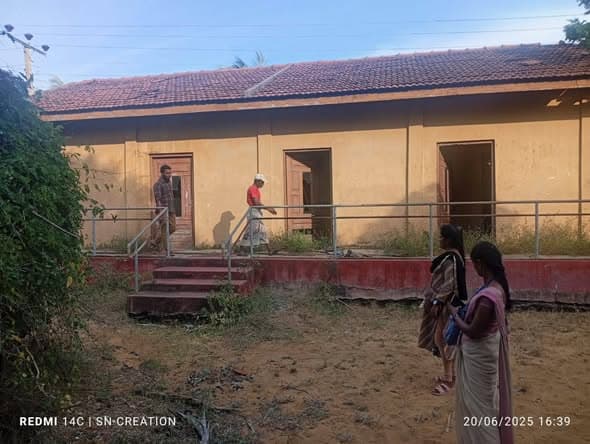
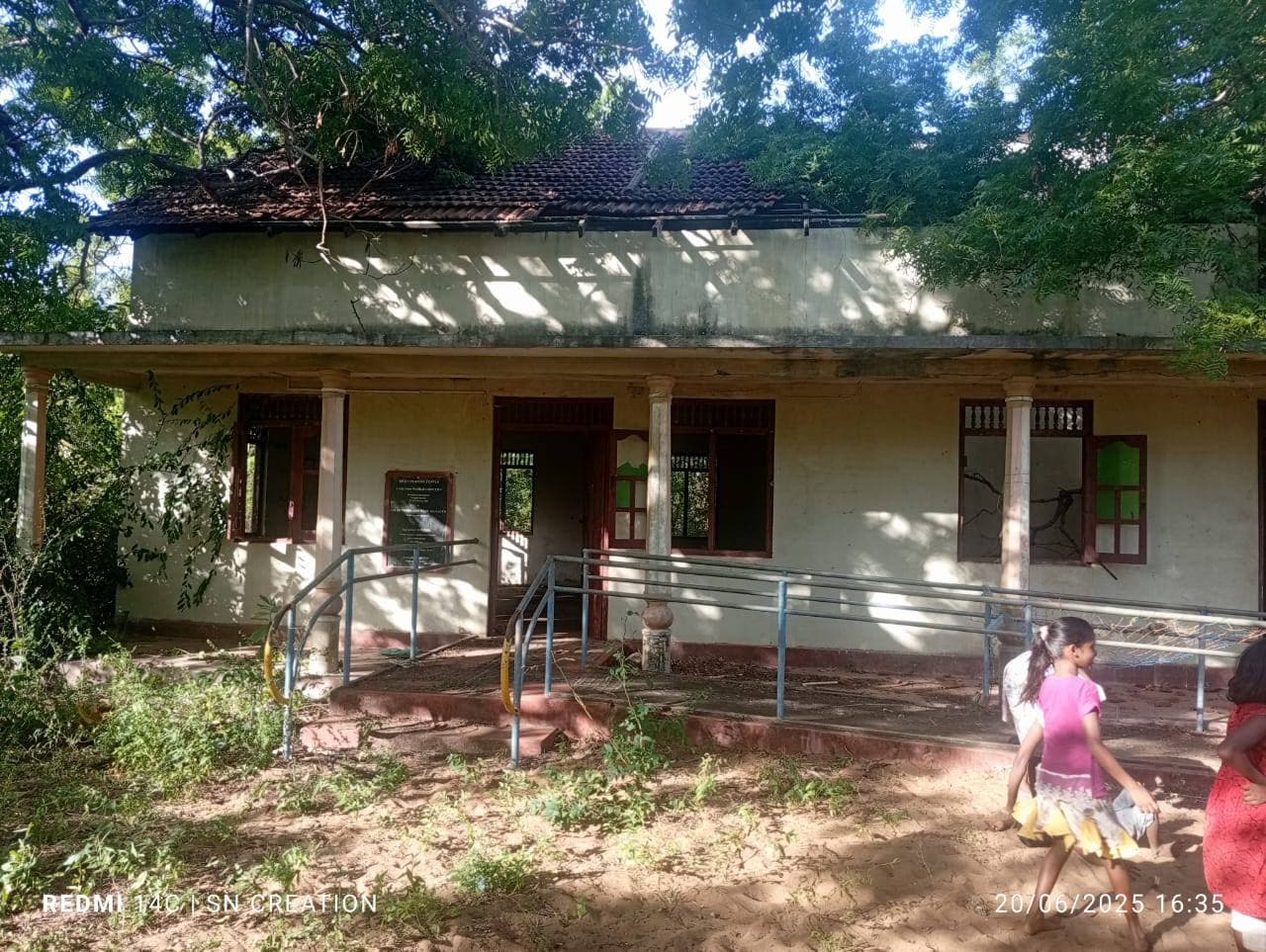
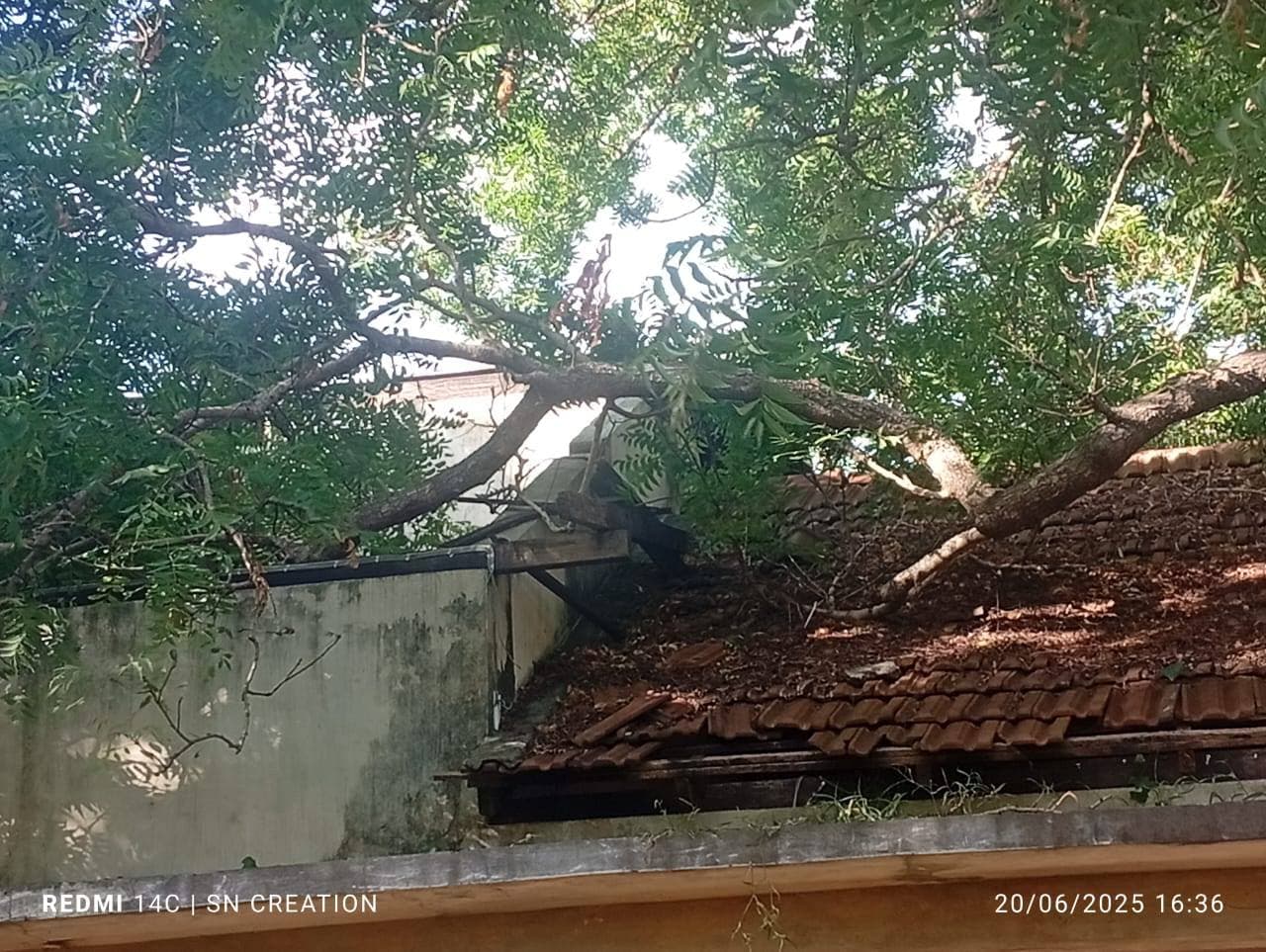
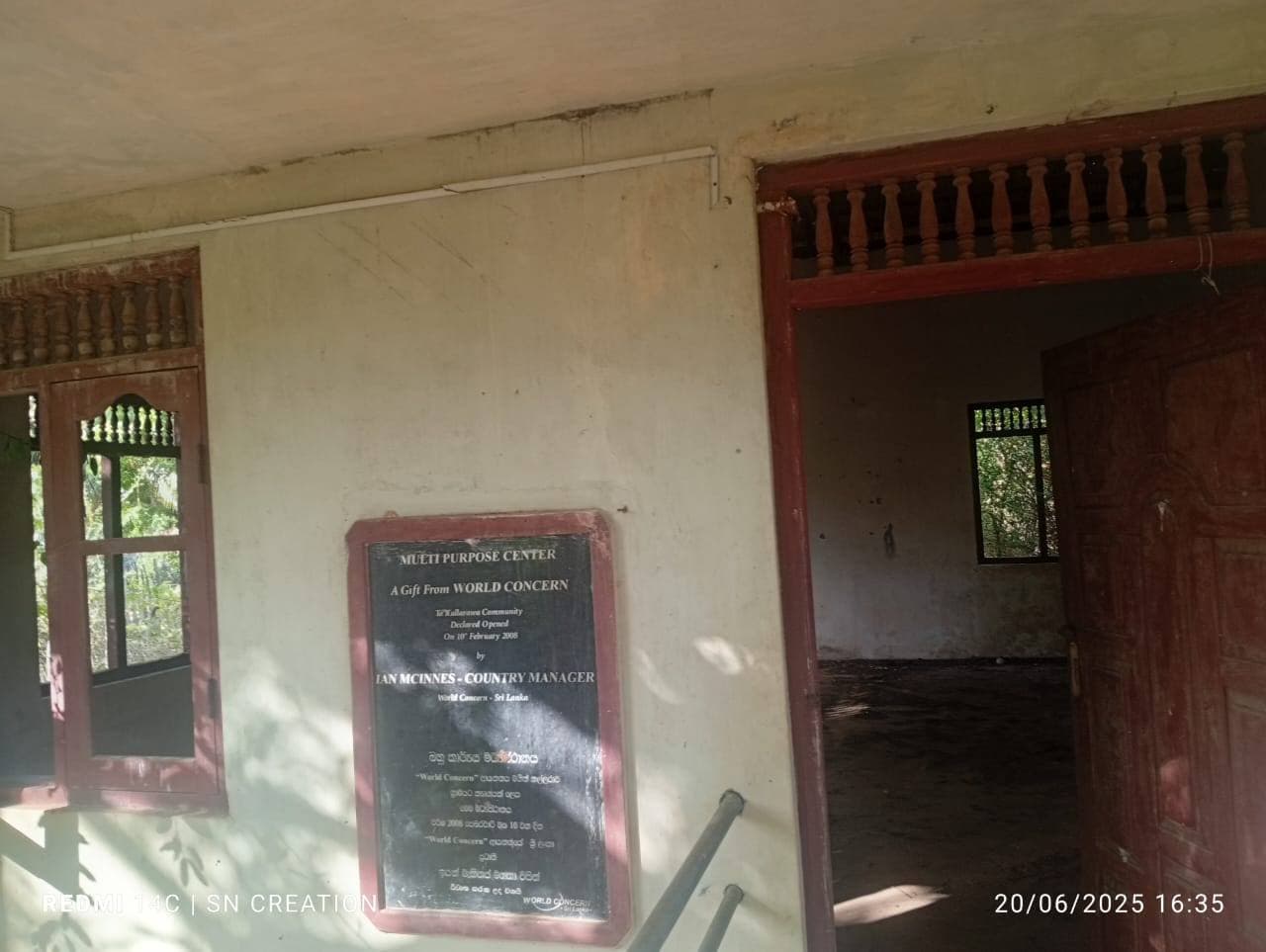
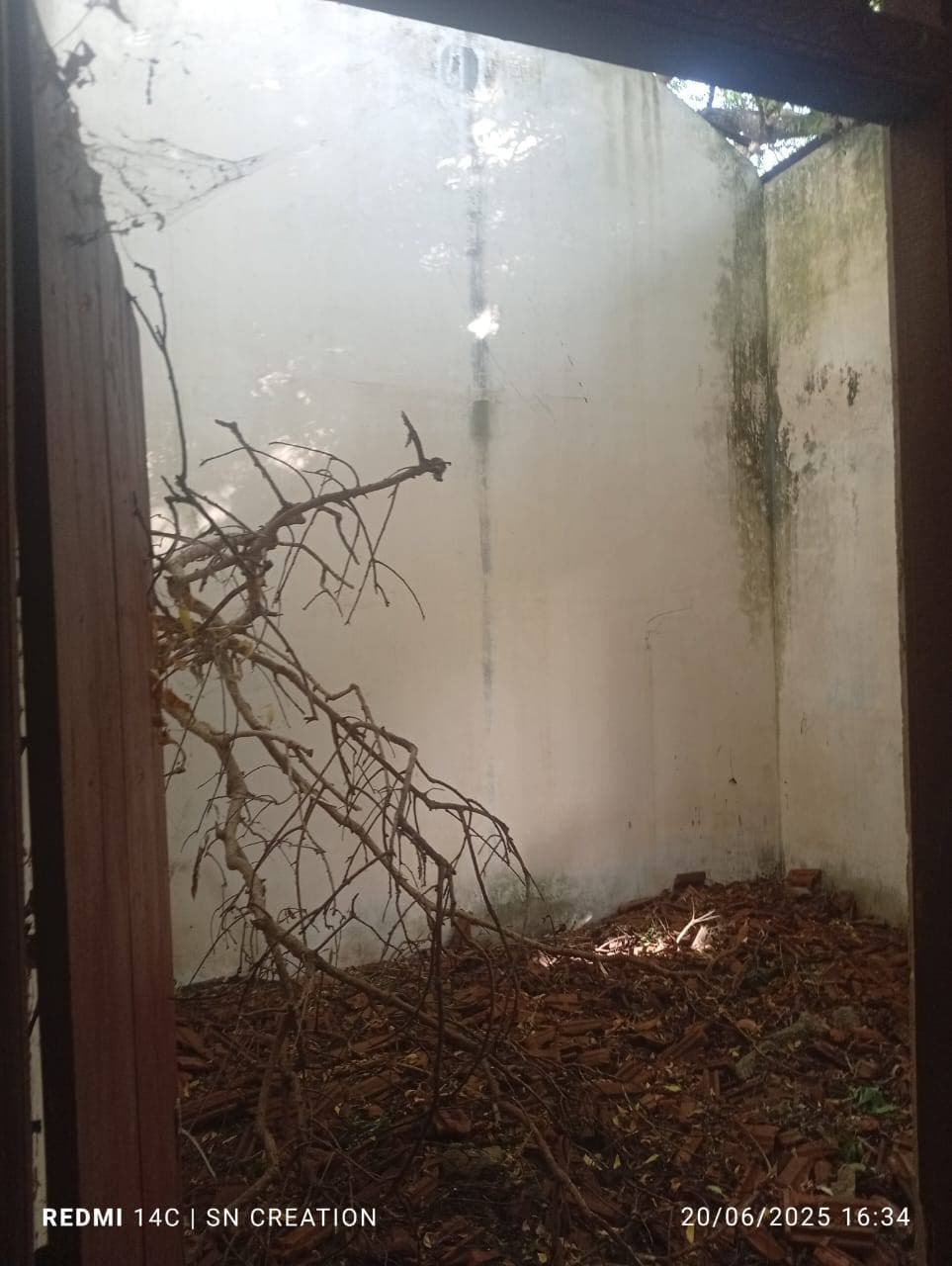
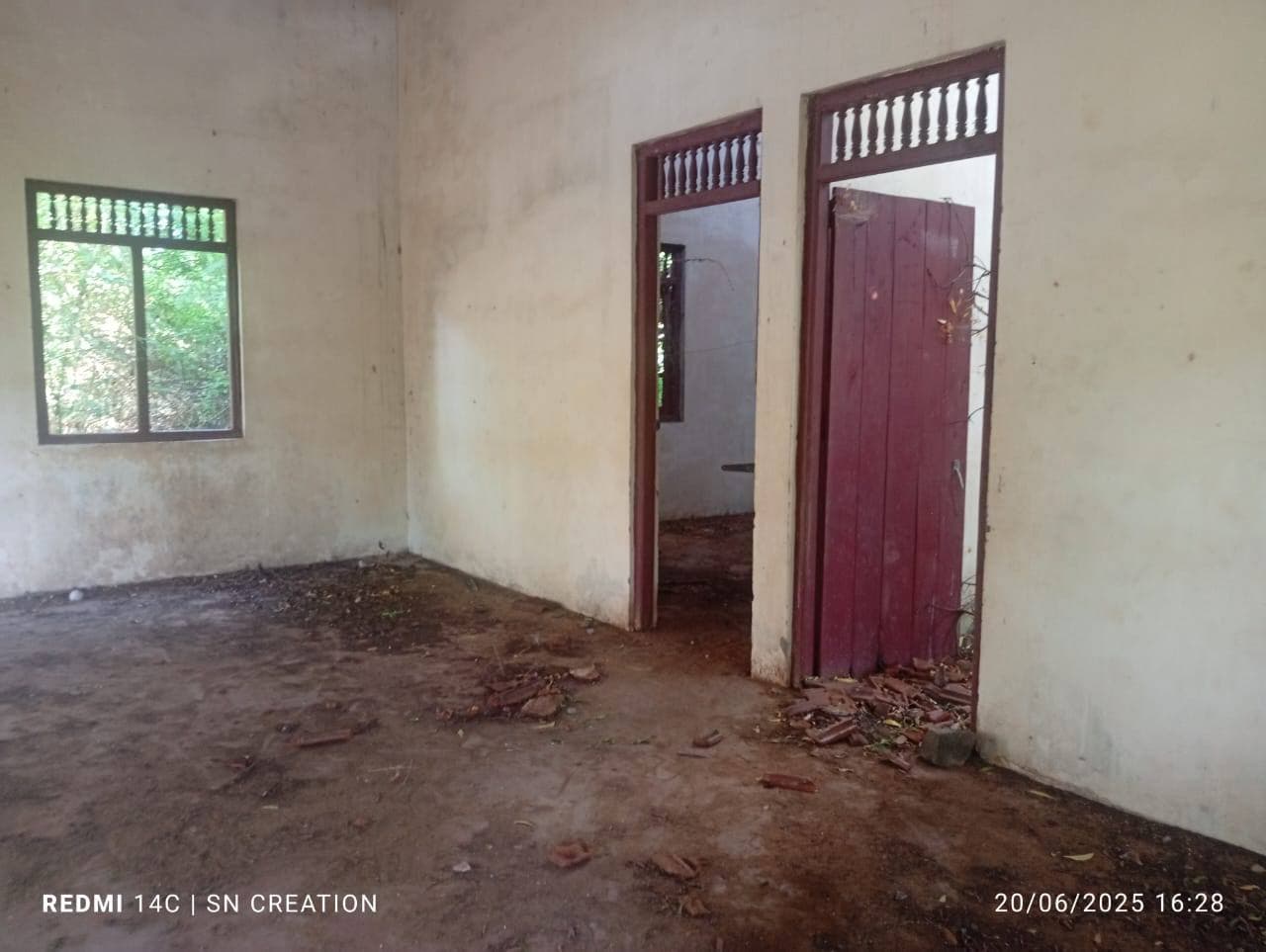
During a recent field visit to the Kallarawa area in the Thiriyai GN Division, I observed several important public spaces lying unused and neglected. These included a multipurpose building constructed by the World Concern NGO, a public meeting hall, and a row of shops. These structures, once built to serve the needs of the community, have now become abandoned due to poor maintenance and lack of management. As a social worker, this situation raises serious concerns about sustainability, community engagement, and ownership. Infrastructure alone cannot create social change unless it is connected to people and their ongoing participation. Problems Identified: 1. Lack of Maintenance: The buildings are damaged and not safe for public use. 2. Wasted Investment: Valuable resources used for construction are now unused. 3. Low Community Involvement: People feel disconnected and have no clear role in maintaining the spaces. 4. No Structured Use: The purpose of these spaces has faded without a long-term plan. To address this, we need a community- centered and sustainable approach Community Learning Center - The multipurpose hall can be turned into a space for evening classes, IT training, or life skills workshops for youth and women. Women’s Empowerment Hub - A section of the space can be dedicated for sewing classes, handicraft production, or cooperative savings meetings. Youth-led Initiatives - Shops can be offered to young entrepreneurs to run small businesses or social enterprises. Public Dialogue and Events - The public meeting hall can be used for awareness sessions on health, environment, or disaster preparedness. Local Maintenance Groups - Forming a community group or volunteer club to take care of the space regularly can build ownership and pride. Role of the Social Worker: As a social worker, my role would be to: - Facilitate meetings with local leaders and groups - Conduct a needs assessment to identify realistic and useful activities - Advocate with local authorities or NGOs for minor repairs - Build trust and encourage people to take collective responsibility - Monitor and evaluate the usage of the space over time This case reflects a common issue across many rural areas— good projects fading due to poor follow-up. As a social worker, it is important to act as a bridge between infrastructure and human need. With proper community engagement, these neglected places in Kallarawa can be brought back to life and become strong platforms for development, inclusion, and empowerment
Gallery