A Sudden Brake
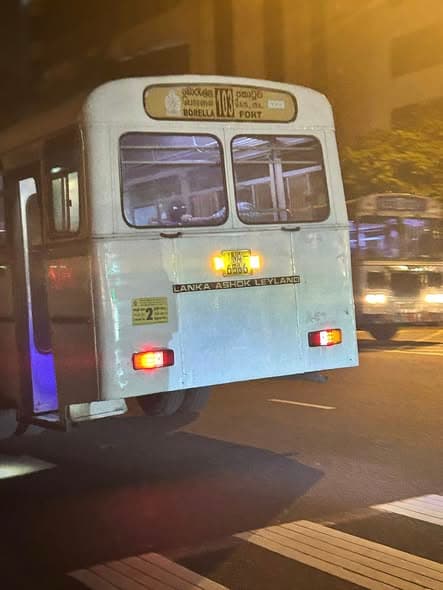
after visiting Lady Ridgeway Hospital, I found myself waiting for a bus to Colombo in order to catch my train. Around 7.30 p.m., I boarded a bus heading towards Colombo. The journey seemed ordinary at first, but as we passed Maradana, the situation took a dangerous turn. Our bus began chasing another bus, and in the heat of this reckless competition, the driver suddenly applied the brakes. I was unprepared for the sudden halt, and my head struck the window. Although the incident was minor and I did not sustain a serious injury, it left me deeply unsettled. This personal experience reminded me of the growing number of bus-related accidents across Sri Lanka. Reckless driving, competition for passengers, and disregard for safety regulations are not isolated events—they have become almost normalized. Each incident, whether small or severe, poses risks not only to passengers but also to pedestrians and other vehicles on the road. My experience was only a small glimpse into a larger, more troubling issue. Reflecting on this, I realized how easily lives can be disrupted or even lost due to negligence and irresponsibility. Public transportation is meant to provide safety, reliability, and convenience for passengers. Instead, it often becomes a space of fear, where passengers are forced to silently endure the risks created by careless driving. The lack of enforcement of traffic rules and the absence of strict monitoring further encourage this culture of disregard. From a social perspective, such incidents highlight the urgent need for systemic change. Authorities must implement stronger regulatory frameworks, stricter penalties for reckless driving, and better monitoring systems for public buses. Beyond enforcement, there must also be a cultural shift among drivers—placing value on human life over competition for passengers. Public awareness campaigns can also play a vital role in shaping safer practices on the road. Personally, this incident made me more cautious and reflective about my own role as a passenger. While we may not control how buses are driven, we can demand accountability by reporting reckless drivers, raising awareness, and advocating for better safety measures. As a social work student, I recognize the importance of connecting such individual experiences to larger social concerns and using them as opportunities to push for positive change.