Disaster Preparedness in Sri Lanka
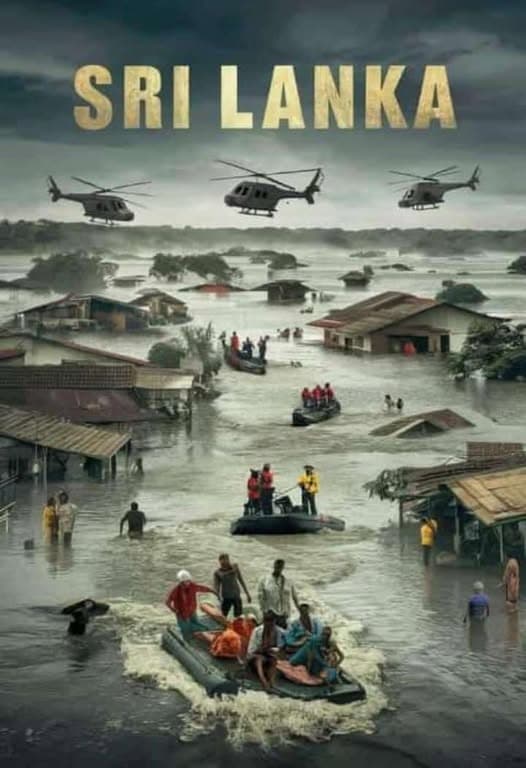
Sri Lanka, an island nation prone to various natural disasters, has faced numerous challenges in disaster preparedness and management. From tsunamis and floods to landslides and cyclones, the country has experienced significant loss of life, property, and economic stability due to these calamities. This journal explores the current state of disaster preparedness in Sri Lanka, examining the progress made, the gaps that remain, and the future directions necessary for building a more resilient nation. Sri Lanka has made notable strides in improving its disaster preparedness mechanisms, particularly after the devastating Indian Ocean tsunami in 2004. This tragic event served as a catalyst for the government and various stakeholders to prioritize disaster risk reduction and management. Several key initiatives highlight the progress made: The establishment of the Disaster Management Centre (DMC) in 2005 marked a significant step towards a more organized approach to disaster management. The DMC, under the Ministry of Disaster Management, coordinates disaster risk reduction, response, and recovery efforts across the country. Sri Lanka has developed robust early warning systems for various natural disasters. The Tsunami Early Warning System, implemented in collaboration with international partners, provides timely alerts to coastal communities. Similarly, the Department of Meteorology issues weather forecasts and warnings for floods, cyclones, and other weather-related hazards. Recognizing the importance of community involvement, numerous programs focus on empowering local communities to better prepare for and respond to disasters. Community-based disaster management committees and volunteer groups play a crucial role in disseminating information, conducting drills, and coordinating local response efforts. Disaster preparedness education has been integrated into school curriculums, raising awareness among students about the risks and appropriate responses to various disasters. Public awareness campaigns, including media outreach and training workshops, further enhance the general population's knowledge and preparedness. Investments in resilient infrastructure have been prioritized to reduce vulnerability. This includes the construction of disaster-resilient buildings, flood control measures, and landslide mitigation projects. Additionally, efforts are underway to improve the resilience of critical infrastructure such as hospitals, schools, and transportation networks. Despite these advancements, several gaps and challenges remain in Sri Lanka's disaster preparedness landscape Limited financial resources hinder the full implementation of disaster preparedness plans. Budget constraints affect the maintenance and expansion of early warning systems, community training programs, and infrastructure projects. While there are multiple agencies involved in disaster management, coordination among them can be fragmented. A more integrated approach, ensuring seamless communication and collaboration between government bodies, NGOs, and the private sector, is essential. Access to accurate and real-time data is critical for effective disaster preparedness. However, gaps in data collection, analysis, and dissemination can impede timely decision-making. Leveraging advanced technologies such as Geographic Information Systems (GIS) and remote sensing can enhance data-driven planning and response. The increasing frequency and intensity of climate-related disasters pose new challenges. Adapting to the impacts of climate change requires integrating climate resilience into disaster risk reduction strategies, which calls for comprehensive planning and sustained efforts. While progress has been made in raising awareness, there is still a need for greater public engagement and participation. Ensuring that disaster preparedness is a shared responsibility among all citizens, rather than solely the domain of government agencies, is crucial To build a more resilient Sri Lanka, several strategic directions need to be pursued: Enhancing the capacity of disaster management institutions through training, resource allocation, and technological upgrades is essential. This includes continuous professional development for disaster management personnel and the establishment of dedicated research centers for disaster studies. Leveraging the expertise and resources of the private sector can significantly bolster disaster preparedness efforts. Public-private partnerships can support the development of innovative solutions, fund critical projects, and improve community resilience. Disaster preparedness plans must consider the needs of vulnerable groups, including women, children, the elderly, and persons with disabilities. Ensuring their active participation in planning and decision-making processes can lead to more inclusive and effective strategies. Integrating disaster risk reduction into broader sustainable development goals is vital. This involves mainstreaming disaster preparedness into national and local development plans, ensuring that resilience-building measures are embedded in all sectors. Establishing robust monitoring and evaluation frameworks can help assess the effectiveness of disaster preparedness initiatives. Regular reviews and updates of plans based on lessons learned from past events and emerging risks will ensure adaptive and responsive strategies. The recent weather patterns in Sri Lanka, characterized by unseasonal heavy rains and localized flooding, underscore the urgent need for robust disaster preparedness and management strategies. These weather anomalies, possibly exacerbated by climate change, highlight the vulnerabilities that still exist within the country's disaster response framework. The increased frequency of extreme weather events calls for a reevaluation of current strategies and the implementation of more adaptive and resilient measures. Sri Lanka has made commendable progress in disaster preparedness over the past two decades. However, to safeguard its population and development gains, continuous efforts are required to address existing gaps and adapt to new challenges. By strengthening institutional capacity, fostering public-private partnerships, and ensuring inclusive and sustainable planning, Sri Lanka can build a resilient future that is better equipped to face the uncertainties of natural disasters.