Liberal Values in Developing Sri Lanka
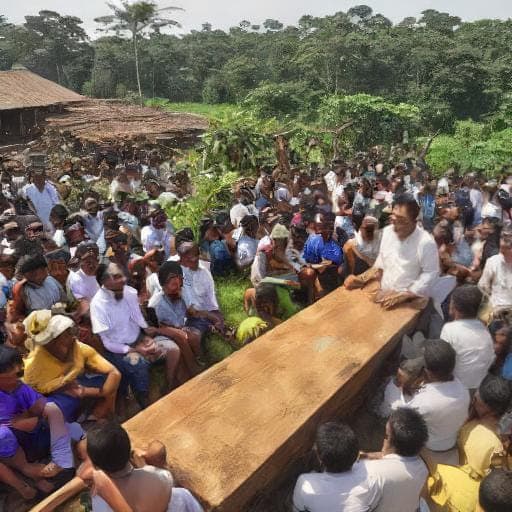
Liberal values, encompassing individual freedom, democracy, human rights, and equality, have been instrumental in shaping the socio-economic and political landscapes of many countries. Reflecting on how these values can be harnessed to develop Sri Lanka involves comparing the experiences of other nations that have embraced liberal principles and analyzing the potential benefits and challenges for Sri Lanka. Liberal values are closely tied to democratic governance, which promotes political stability and accountability. Countries like Sweden and Canada, known for their strong democratic institutions, have witnessed sustained economic growth and social progress. In these nations, the rule of law, transparent governance, and regular elections ensure that political leaders remain accountable to the people. For Sri Lanka, strengthening democratic institutions and ensuring free and fair elections can enhance political stability, attract foreign investment, and foster a more inclusive society. The protection of human rights is a cornerstone of liberal values. Nations such as Norway and Germany have robust frameworks to protect civil liberties, social rights, and equality before the law. These countries have implemented policies that promote gender equality, minority rights, and freedom of expression. Sri Lanka, with its diverse population, can benefit from adopting similar measures. Ensuring the protection of human rights can foster social cohesion, reduce ethnic tensions, and promote a culture of respect and understanding among different communities. Liberal economic policies advocate for market economies where competition and innovation thrive. The United States and Singapore are prime examples of how economic liberalism can drive growth. These countries have created environments conducive to entrepreneurship, innovation, and investment through deregulation, protection of property rights, and support for startups. For Sri Lanka, embracing economic liberalization can lead to increased foreign direct investment, technological advancement, and overall economic growth. Policies that reduce bureaucratic red tape, improve ease of doing business, and encourage private sector participation can transform the economic landscape. Liberal values emphasize the importance of education as a means of individual empowerment and societal progress. Finland’s education system, characterized by equality and high standards, has produced remarkable results, contributing to the country's innovation and competitiveness. Investing in education, particularly in STEM (Science, Technology, Engineering, and Mathematics) fields, can position Sri Lanka as a knowledge economy. Promoting equal access to quality education for all segments of society, including marginalized groups, can unleash the country’s human potential and drive sustainable development. Social welfare systems in liberal democracies like Denmark and the Netherlands ensure that citizens have access to basic services such as healthcare, education, and social security. These systems reduce inequality and provide a safety net for the vulnerable, fostering social stability. Sri Lanka can learn from these models by strengthening its social welfare programs to ensure that economic growth translates into improved living standards for all citizens. This includes expanding healthcare access, improving social security systems, and addressing disparities in income and opportunities. While liberal values offer numerous benefits, their implementation in Sri Lanka comes with challenges. The country’s political history, marked by periods of civil conflict and authoritarian rule, presents obstacles to the seamless adoption of liberal principles. Furthermore, economic liberalization may face resistance from vested interests and require careful management to avoid exacerbating inequalities. Cultural factors also play a significant role. Sri Lanka’s traditional values and societal norms may sometimes clash with liberal ideals, necessitating a balanced approach that respects local contexts while promoting progressive change. Engaging with civil society, fostering public dialogue, and ensuring inclusive policymaking are essential to navigating these challenges. Embracing liberal values can catalyze Sri Lanka’s development by fostering democratic governance, protecting human rights, promoting economic freedom, enhancing education, and ensuring social welfare. By learning from the experiences of countries that have successfully implemented liberal policies, Sri Lanka can chart a path towards a more prosperous, equitable, and inclusive future. However, this journey requires careful consideration of local contexts, proactive engagement with all stakeholders, and a commitment to balancing tradition with progress.